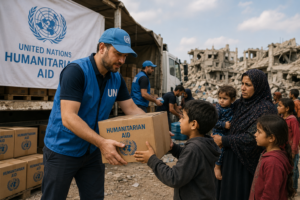
In recent years, Islamophobia has emerged as a significant social issue affecting millions of Muslims worldwide. It refers to prejudice, discrimination, or hostility directed toward Islam and Muslims. Moreover, these attitudes are often based on stereotypes, misinformation, or fear. Therefore, understanding its roots is essential for building a more tolerant and inclusive society.
Understanding Religious Discrimination
This form of prejudice is not limited to individual behavior. It can also appear in media, politics, public policies, and social attitudes. As a result, many Muslims experience unfair treatment in everyday life.
Examples include:
Negative media portrayals of Muslims.
Discrimination in workplaces and schools.
Hate crimes targeting Muslim communities.
Political messages that create fear and misunderstanding.
Causes of Islamophobia
Several factors contribute to Islamophobia.
Stereotypes and misinformation spread quickly.
Extremist attacks are wrongly linked to all Muslims.
Political rhetoric increases public fear.
Limited education creates misunderstanding.
Consequently, these factors strengthen prejudice instead of promoting respect.
Effects on Individuals and Society
Discrimination affects both individuals and communities. Many Muslims experience stress, anxiety, and social exclusion. Furthermore, they may face barriers in education, employment, and public life.
Moreover, hate crimes and violence damage community trust. As a result, societies become more divided and less inclusive.
Ways to Reduce Prejudice
Education is one of the best solutions. In addition, interfaith dialogue helps people understand different cultures and beliefs. Furthermore, responsible media reporting can reduce stereotypes. Governments should also enforce laws against discrimination.
Therefore, communities can become stronger through respect, empathy, and cooperation.
Conclusion
Everyone has a role in creating an inclusive society. Education, dialogue, and understanding help reduce Islamophobia. As a result, people can live together with greater trust and mutual respect. Finally, continued awareness is essential to the prevent and build a peaceful future for everyone.